

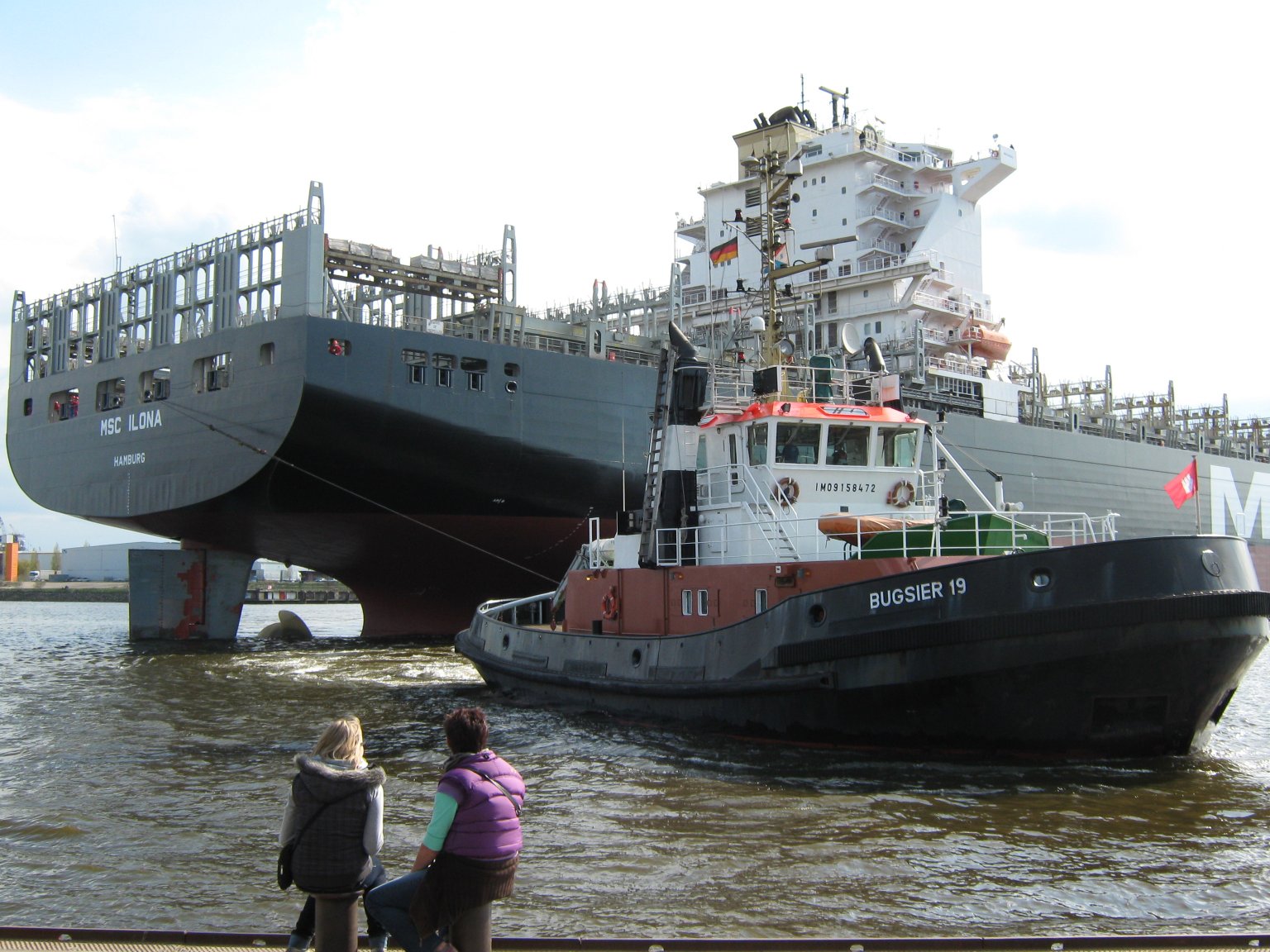
In April 2011, we spent a day visiting the port of Hamburg. It wasn’t the first time, but it’s one of those places you can visit time and again and always see something new. And it’s practically on our doorstep.
Hamburg is the third largest port in Europe after Rotterdam and Antwerp. Located between the North Sea and the Baltic, Hamburg lies over one hundred kilometres from the mouth of the river Elbe, via which it is accessed. When conditions are right, it is possible to navigate a boat from Hamburg to Prague using first the Elbe, and later the Vlatva river, which merges with the Elbe at Mělník in the Czech Republic.
Hamburg has literally dozens of cargo terminals handling everything from containerised cargo to bulk cargo and liquids. It also has a number of floating docks, owned by the famous Blohm and Voss shipbuilding and engineering company, which you can see from the cafés and restaurants on the floating pontoons across the river in Landungsbrücken. And sometimes, the ships come to you!
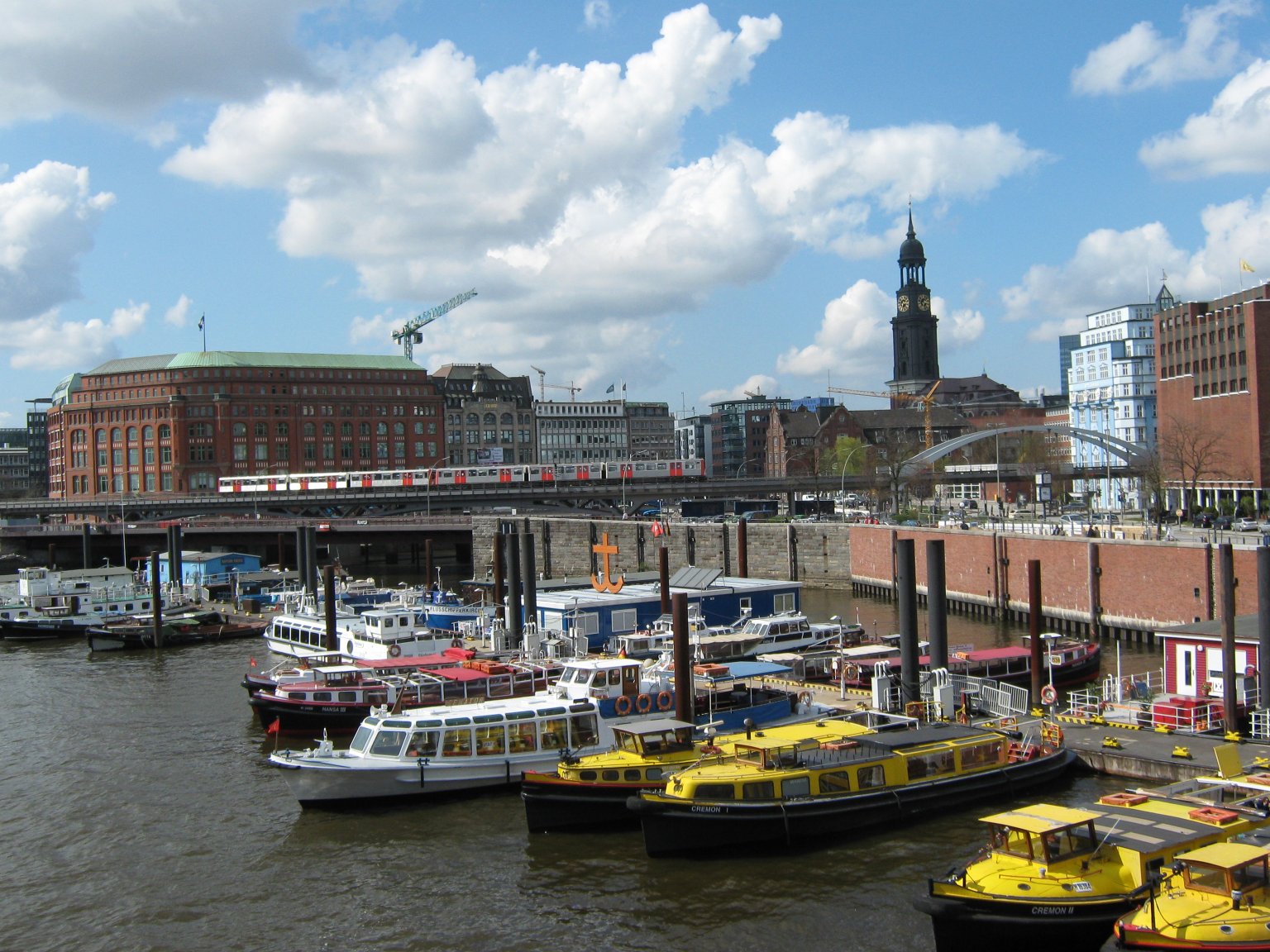
As well as being a major hub for commercial shipping, the port of Hamburg attracts countless visitors every year. Most of those visitors will take at least one trip around the harbour in one of Hamburg’s many pleasure cruisers or water taxis.
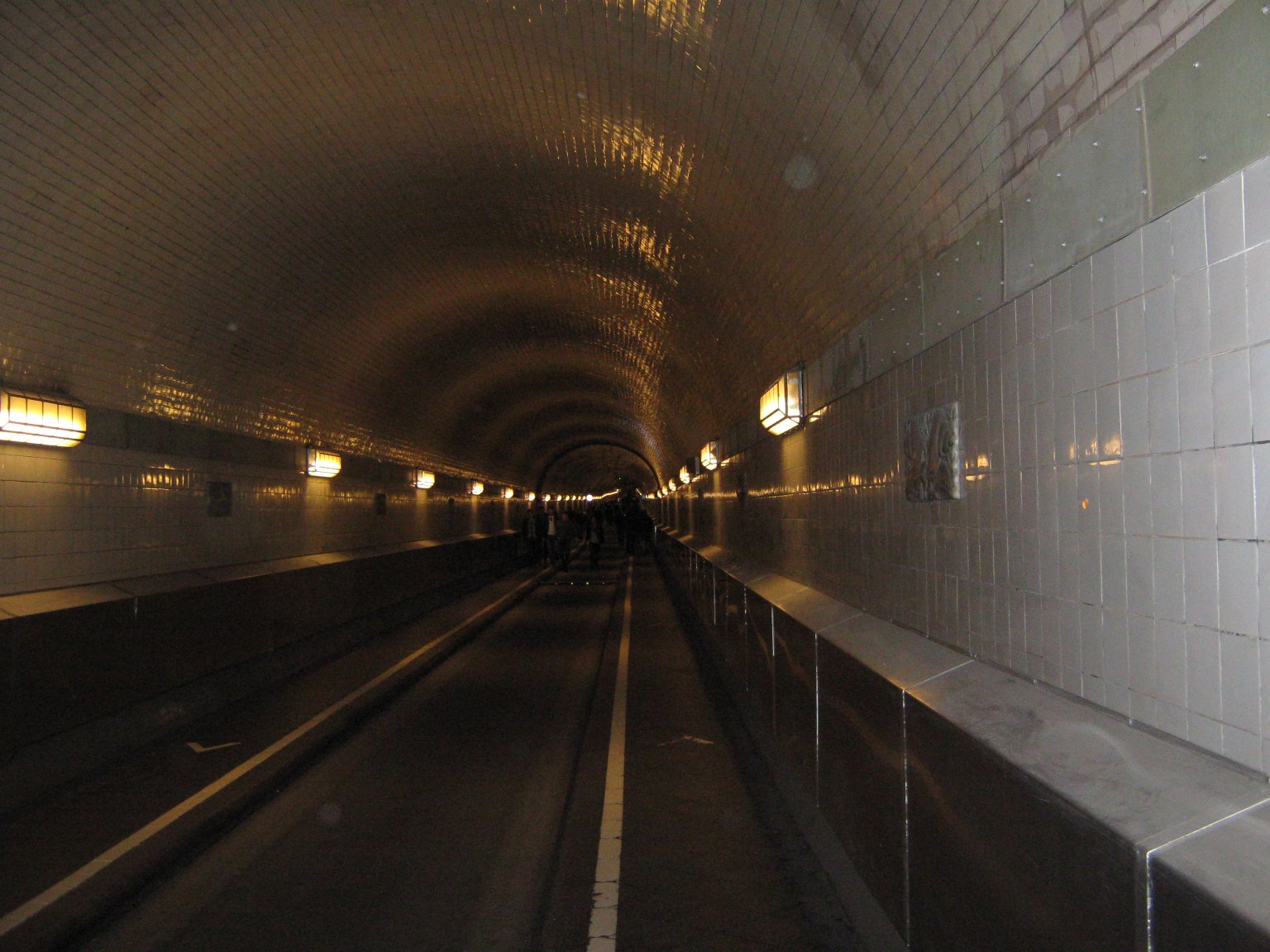
Landungsbrücken is connected to the south side of the river (which is where all the docks and shipyards are) by the Old Elbe Tunnel, completed in 1911. This 426 metre long tunnel can take both pedestrian and vehicle traffic, although today it is mostly used by pedestrians and cyclists.
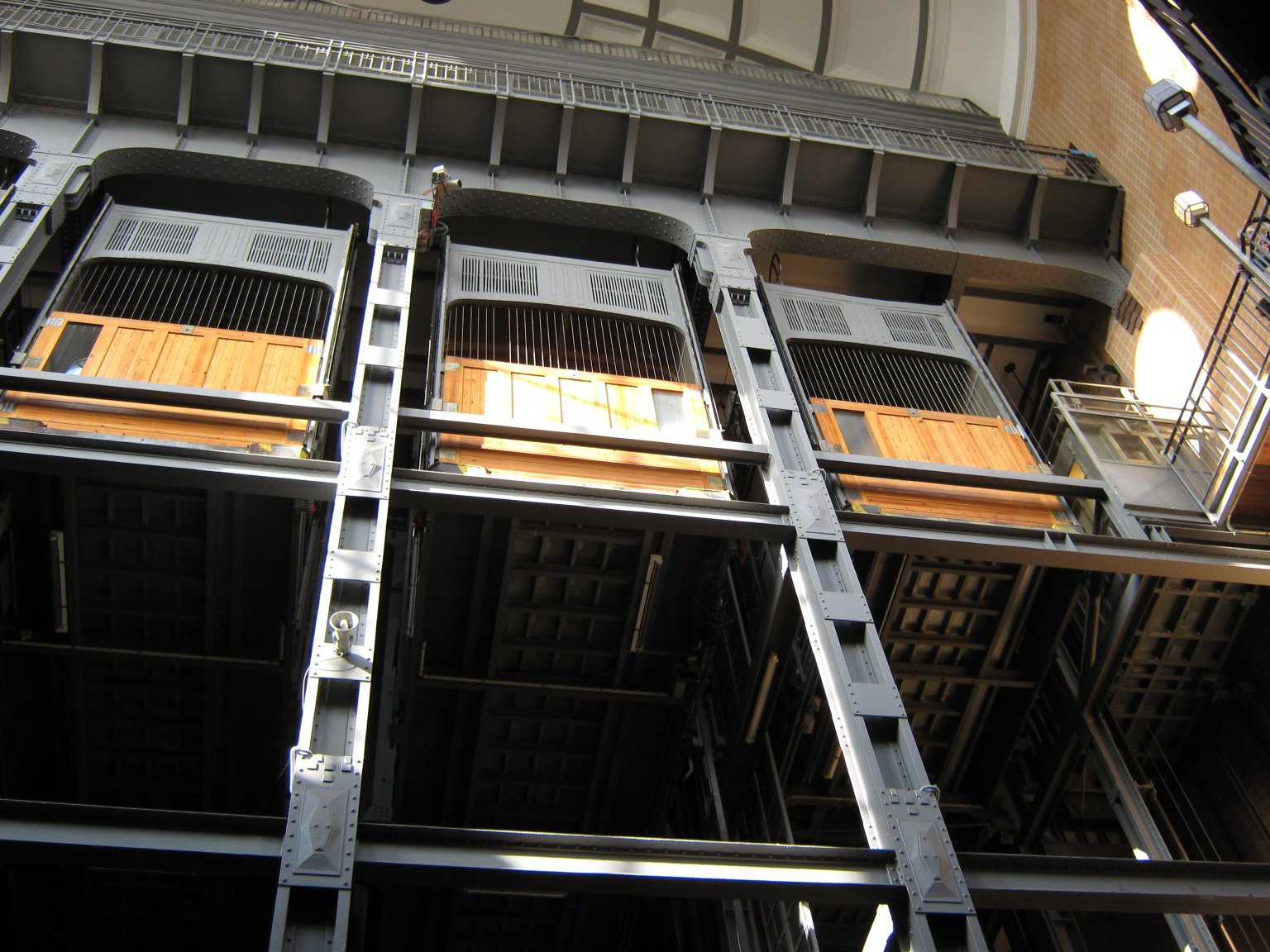
The distance from the surface to the floor of the tunnel is approximately eighty feet. Pedestrians are usually required to climb down to or up from the tunnel using the stairs. Cyclists and motor vehicles can use one of four large lifts.